Runner warming up before a run in a Melbourne park
Open Mon–Sat

Shin Splints Treatment in Melbourne

Expert diagnosis and treatment to resolve your shin pain and get you back to training safely.

Open Mon–SatHICAPS AvailableAHPRA-Registered Clinicians3 Melbourne LocationsSports-Focused ExpertiseEvidence-Based CareNo Referral Required15+ Years ExperienceOpen Mon–SatHICAPS AvailableAHPRA-Registered Clinicians3 Melbourne LocationsSports-Focused ExpertiseEvidence-Based CareNo Referral Required15+ Years Experience
Shin Splints Treatment

Shin splints are a cumulative stress disorder of the lower leg, clinically known as medial tibial stress syndrome (MTSS). They are often misdiagnosed as tightness of the tibialis anterior muscle or mistreated by not addressing both the existing symptoms and the root cause.

We work with runners and athletes across our Brighton, Richmond and South Melbourne clinics to accurately diagnose shin pain and get you back to activity as quickly and safely as possible.

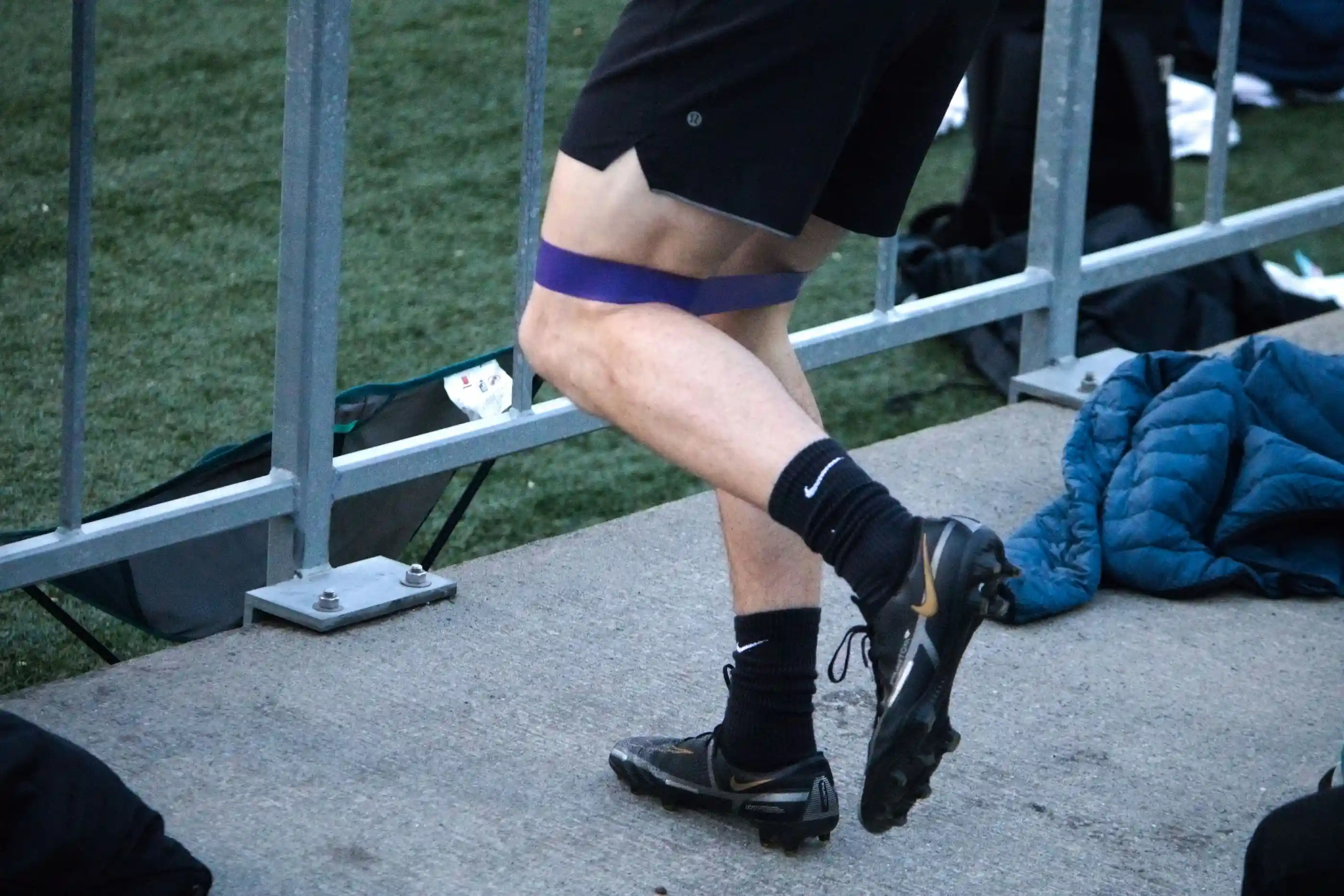
Athlete's lower leg with resistance band during training

We Accept All Major Health Funds

HICAPS on-the-spot rebates at all clinics. No referral needed.

Book Appointment
AAMI
Medibank
Suncorp
Health Insurance
Frank
Bupa
HCF
Allianz
Shin Splints Symptoms

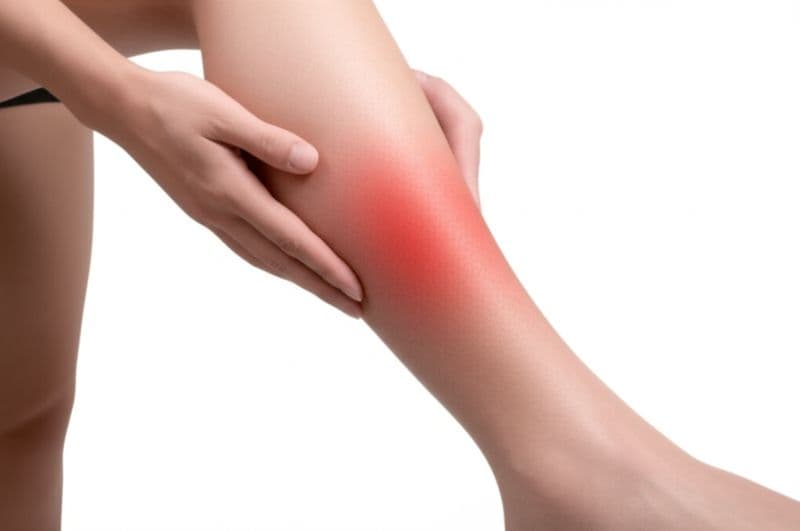
Pain is usually experienced along the inner side of your shinbone and worsens the longer exercise continues. It can range from a dull ache to sharp stabbing pains that feel like they are coming from deep inside the connective tissues. You might also notice swelling around the affected area.

  • Tenderness or soreness along the inner shinbone
  • Pain that worsens during exercise
  • Mild swelling in the lower leg
  • Pain that initially eases with rest but eventually becomes continuous
Woman runner experiencing shin pain during exercise
Contributing Factors

What Causes Shin Splints?

Shin splints frequently affect people who engage in moderate to heavy physical activity, particularly running-related sports. Several factors increase your risk, from training errors to foot structure issues.

01
Rapid increases in running distance or intensity
02
Changes to footwear or wearing damaged shoes
03
Flat feet or high arches leading to muscle overuse
04
Stop-start sports like tennis, football and basketball
05
Running on hard surfaces without adequate shock absorption
06
Insufficient warm-up or stretching before activity
Assessment & Diagnosis

At your first appointment, we work to confirm the diagnosis and rule out other conditions such as stress fractures or chronic exertional compartment syndrome. We may also order additional imaging tests to ensure an accurate picture of your shin health.

  • Thorough history and symptom review
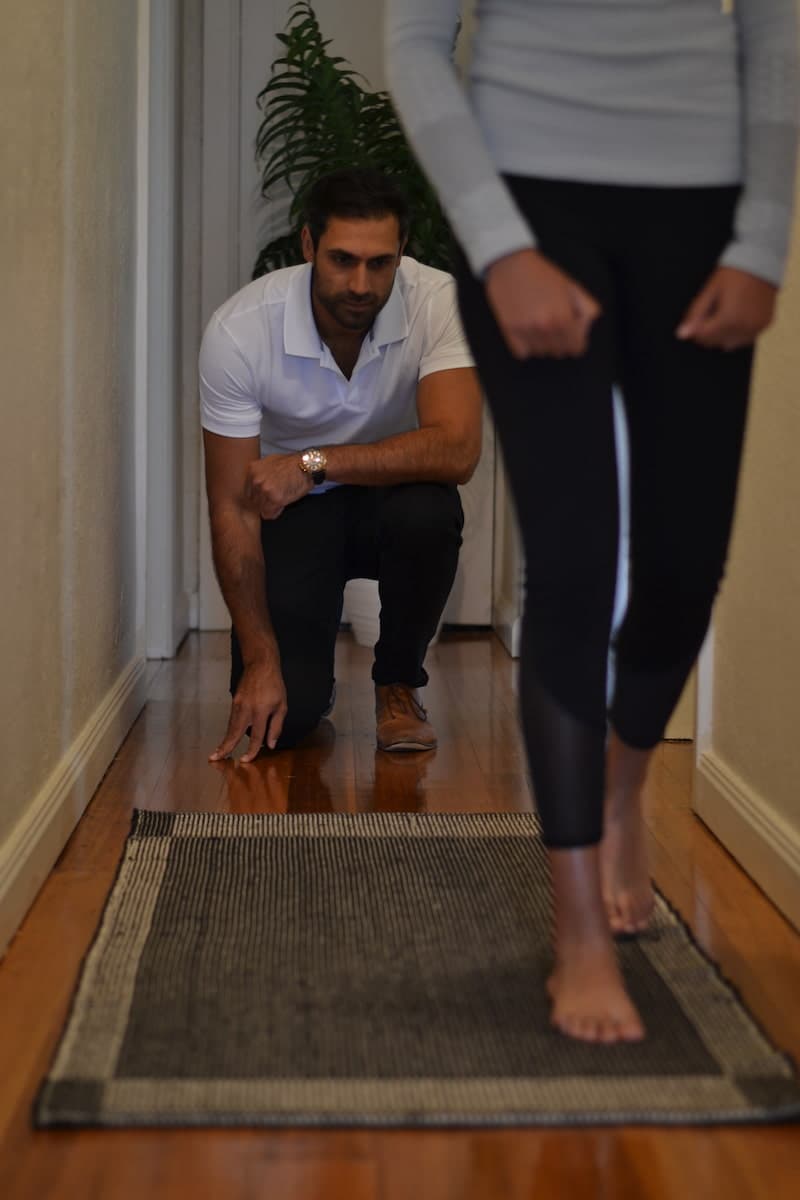
  • Gait and biomechanical analysis
  • Palpation and specific diagnostic tests
  • Imaging referral if stress fracture is suspected
Steve Singh performing a gait assessment with a patient

Why Choose MSP?

We combine clinical expertise with a patient-centered approach to get you back on your feet.

Book Your Appointment

Sports-Focused

Decades of combined experience treating foot, ankle, and movement concerns.

Evidence-Based Plan

Every plan is guided by proven research and tailored to your lifestyle.

Preventive Approach

We focus on identifying risks early to keep you moving comfortably.

Convenient Clinic Locations

Easily accessible clinics in Brighton, Richmond, and South Melbourne.

Collaborative Care

We work with your GP, physio, or coach for consistent recovery support.

Easy HICAPS Claims

Simple, instant health-fund claiming at every appointment.

Treatment & Recovery

In the first session, we aim to confirm the diagnosis and move straight into manual therapy treatments and programming your return to sport. We understand that rest alone is not enough - we always ensure you have a plan to stay active, strong and ready to return to running.

Manual therapy and soft tissue treatment
Targeted stretching and strengthening program
Footwear assessment and advice
Graduated return-to-sport plan
Self-Care Guide

Prevention & At-Home Advice

We know regular pounding and stress on the bones, muscles and joints of the lower legs not only prevents your body from naturally repairing but creates the potential for further complications such as stress fractures of the tibia. Taking a proactive approach is the best way to avoid recurrence.

1

Increase training loads gradually - no more than 10% per week

2

Wear well-fitted, supportive running shoes

3

Stretch calves and shins before and after activity

4

Strengthen lower leg muscles with targeted exercises

5

Vary running surfaces where possible

6

Seek professional care at the first sign of shin pain

Consultation Fees & Rebates

Your first shin splints appointment includes a full assessment, diagnosis and treatment plan tailored to your needs. Fees are discussed upfront, and our clinics accept most private health rebates, Medicare (with eligible referrals), TAC and WorkCover.

Frequently Asked Questions

Continuing to run with shin splints is not recommended as it can lead to further damage and potentially stress fractures. However, we will create a plan to keep you active with modified exercises while your shins recover, so you can return to running as soon as symptoms are under control.
Recovery time varies depending on severity, but most cases improve significantly within 2 to 6 weeks with appropriate treatment. Early intervention is key - the sooner you seek help, the faster your recovery.
Shin splints affect the connective tissue along the shinbone and produce a diffuse, aching pain. A stress fracture is an actual crack in the bone and typically causes a more localised, sharp pain. We can help differentiate between the two during your assessment and refer for imaging if needed.
Not always. We assess each patient individually and may recommend orthotics if flat feet, high arches or biomechanical issues are contributing to your condition. Other treatments like stretching, strengthening and footwear changes may be sufficient.
With the right prevention strategies - including gradual training progression, proper footwear and regular stretching - the risk of recurrence is significantly reduced. We will equip you with a long-term management plan to keep your shins healthy.

Our Clinics

Three convenient locations across Melbourne. Choose the clinic closest to you.

Call: 1300 332 201
Brighton clinic

Brighton

110 Bay Street

Richmond clinic

Richmond

329 Lennox Street

South Melbourne clinic

South Melbourne

3/186 York St