

Podiatrist examining a patient's foot for plantar fasciitis treatment
Open Mon–Sat

Plantar Fasciitis Treatment in Melbourne

Expert diagnosis and treatment to relieve your heel pain and get you back on your feet.

Open Mon–SatHICAPS AvailableAHPRA-Registered Clinicians3 Melbourne LocationsSports-Focused ExpertiseEvidence-Based CareNo Referral Required15+ Years ExperienceOpen Mon–SatHICAPS AvailableAHPRA-Registered Clinicians3 Melbourne LocationsSports-Focused ExpertiseEvidence-Based CareNo Referral Required15+ Years Experience
Plantar Fasciitis Treatment

Plantar fasciitis is a common cause of heel and arch pain, resulting from irritation or inflammation of the thick tissue band (plantar fascia) that supports the bottom of your foot. While it can affect anyone, people who spend long hours standing or enjoy active lifestyles in Melbourne are particularly prone.

Early treatment is key to overcoming discomfort and returning to what you love with confidence. Our tailored approach combines expert assessment, clear education, and practical management strategies designed just for you.

Podiatrist examining a patient's foot for plantar fasciitis

We Accept All Major Health Funds

HICAPS on-the-spot rebates at all clinics. No referral needed.

Book Appointment
AAMI
Medibank
Suncorp
Health Insurance
Frank
Bupa
HCF
Allianz
Who Benefits & Common Symptoms

If you're noticing a sharp, stabbing pain under your heel - especially with your first steps in the morning - plantar fasciitis may be the culprit. Our care assists a range of patients, from busy professionals to active kids and older adults seeking comfort in daily life.

  • Heel pain on standing
  • Tender arch, worse after rest or activity
  • Mild swelling or warmth beneath the foot
Common symptoms of plantar fasciitis
Contributing Factors

What Causes Plantar Fasciitis?

Plantar fasciitis usually develops from repetitive strain or microtears in the plantar fascia. These are often triggered by biomechanical issues, sudden increases in physical activity, or unsupportive footwear. Factors such as excess weight, jobs requiring prolonged standing, and tight calf muscles further raise your risk.

01
Flat feet or high arches that alter weight distribution
02
Sudden increases in training load or intensity
03
Worn-out or unsupportive footwear
04
Prolonged standing on hard surfaces
05
Tight calves and limited ankle mobility
06
Excess body weight increasing load on the fascia
Assessment & Diagnosis Process

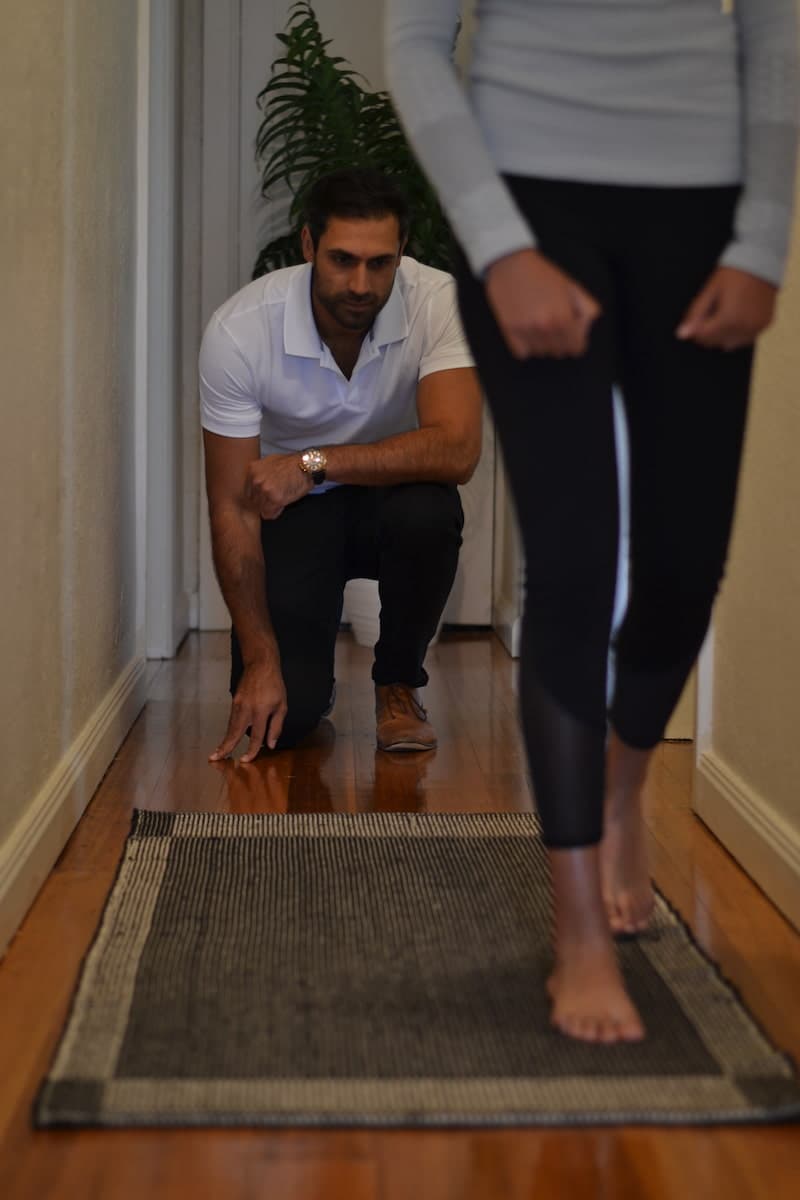
During your initial consult at our Brighton, Richmond, or South Melbourne clinics, we listen closely to your history and symptoms before performing a thorough gait and foot assessment. We may also use specialised tests to confirm plantar fascia involvement or rule out other causes of heel pain.

  • Foot structure analysis
  • Check of joint, muscle, and nerve function
  • Clear, step-by-step explanation
Steve Singh performing a gait assessment with a patient

Why Choose MSP?

We combine clinical expertise with a patient-centered approach to get you back on your feet.

Book Your Appointment

Sports-Focused

Decades of combined experience treating foot, ankle, and movement concerns.

Evidence-Based Plan

Every plan is guided by proven research and tailored to your lifestyle.

Preventive Approach

We focus on identifying risks early to keep you moving comfortably.

Convenient Clinic Locations

Easily accessible clinics in Brighton, Richmond, and South Melbourne.

Collaborative Care

We work with your GP, physio, or coach for consistent recovery support.

Easy HICAPS Claims

Simple, instant health-fund claiming at every appointment.

Treatment & Management Options

Your treatment plan may include a combination of proven therapies to ease pain and support healing. Our podiatrists prioritise conservative options that target the root of the problem, while helping you stay active whenever possible.

Targeted stretching and strengthening
Cushioning heel pads or orthotics
Taping and footwear advice
Anti-inflammatory guidance
Self-Care Guide

Prevention & At-Home Advice

To help prevent plantar fasciitis - or manage flare-ups at home - focus on regular calf stretches, supportive shoes, and gradual changes to exercise routines. Avoid walking barefoot on hard floors, and replace worn-out footwear. Listen to your body: if pain lingers beyond a few days or worsens, please book a consult for professional evaluation.

1

Stretch calves and plantar fascia daily

2

Wear supportive shoes, even at home

3

Increase training loads gradually (10% rule)

4

Apply ice for 15 mins after activity

5

Replace worn-out footwear regularly

6

Seek professional care if pain persists beyond a week

Consultation Fees & Rebates

Your first plantar fasciitis appointment includes a full assessment, diagnosis, and treatment plan tailored to your needs. Fees are discussed upfront, and our clinics accept most private health rebates, Medicare (with eligible referrals), TAC, and WorkCover. Contact our friendly Melbourne Sports Podiatry staff to confirm your best options and book in.

Frequently Asked Questions

Most cases resolve within 6-12 months with appropriate treatment. Many patients notice significant improvement within the first few weeks. Early intervention and compliance with your treatment plan are key factors in recovery time.
Not everyone with plantar fasciitis requires orthotics. We assess each patient individually and only recommend orthotics when they're likely to benefit your recovery. Other treatments like stretching and footwear changes may be sufficient.
Yes, but you may need to modify your activities. We'll help you find ways to stay active while allowing your plantar fascia to heal. Low-impact activities like swimming or cycling are often good alternatives to running.
Supportive shoes with good arch support and cushioning are generally recommended. Avoid flat shoes, thongs, and going barefoot on hard surfaces. We can provide specific footwear recommendations based on your feet and activities.
No, they're different conditions, though they often occur together. A heel spur is a bony growth on the heel bone, while plantar fasciitis is inflammation of the plantar fascia. Interestingly, heel spurs often don't cause symptoms and may not require treatment.

Our Clinics

Three convenient locations across Melbourne. Choose the clinic closest to you.

Call: 1300 332 201
Brighton clinic

Brighton

110 Bay Street

Richmond clinic

Richmond

329 Lennox Street

South Melbourne clinic

South Melbourne

3/186 York St