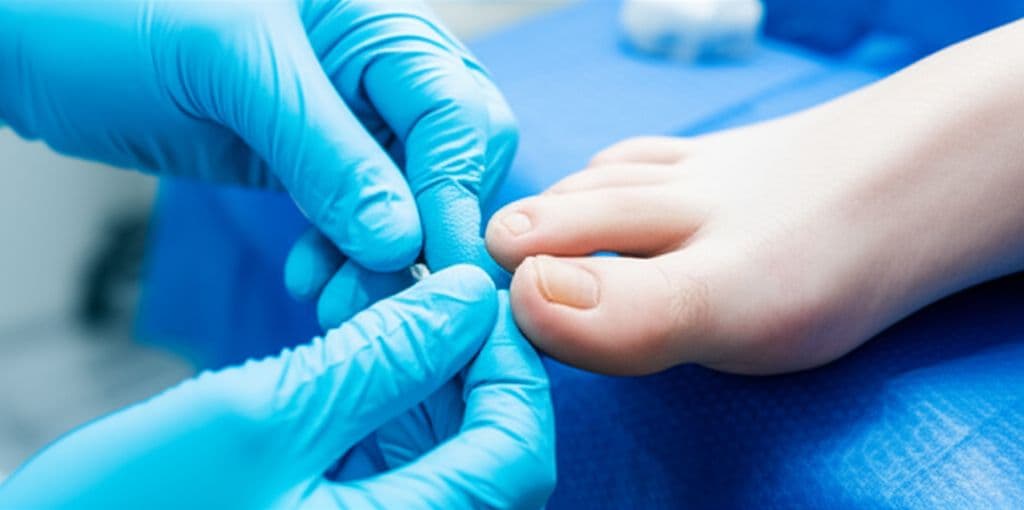
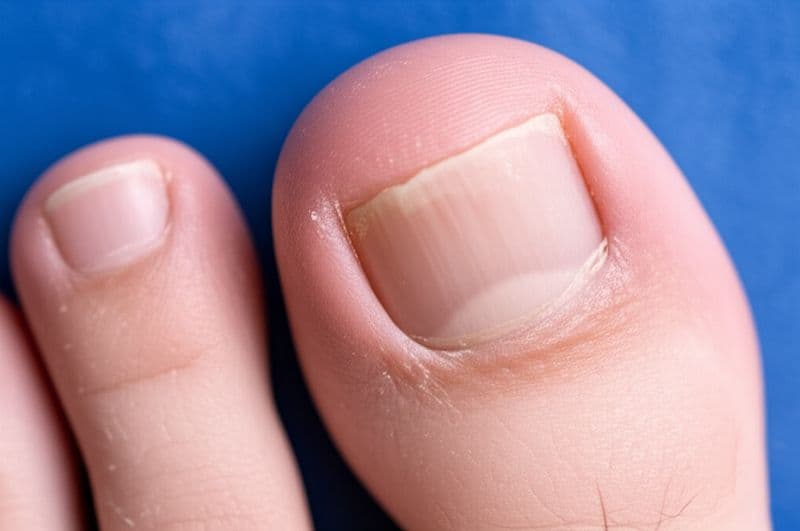
Close-up of professional podiatry treatment for ingrown toenail
Open Mon–Sat

Ingrown Toenail Treatment in Melbourne

Professional care to relieve pain, treat infection and prevent recurrence - from conservative care to minor surgery.

Open Mon–SatHICAPS AvailableAHPRA-Registered Clinicians3 Melbourne LocationsSports-Focused ExpertiseEvidence-Based CareNo Referral Required15+ Years ExperienceOpen Mon–SatHICAPS AvailableAHPRA-Registered Clinicians3 Melbourne LocationsSports-Focused ExpertiseEvidence-Based CareNo Referral Required15+ Years Experience
Ingrown Toenail Treatment

An ingrown toenail is a painful problem where the nail starts to curve and pierce the tissue within the toe, causing pain, swelling and sometimes infection. Without early treatment, these issues tend to get worse.

We offer both non-surgical and surgical treatment options depending on the severity of your condition. Dr Steven Singh and our team can assess your situation and recommend the best path to lasting relief.

Podiatrist examining a patient's toenail

We Accept All Major Health Funds

HICAPS on-the-spot rebates at all clinics. No referral needed.

Book Appointment
AAMI
Medibank
Suncorp
Health Insurance
Frank
Bupa
HCF
Allianz
Symptoms & Warning Signs

Ingrown toenails can be painful and usually worsen in stages. Recognising the early signs gives you the best chance of resolving the issue without surgery. If infection develops, professional treatment becomes urgent.

  • Skin next to the nail becoming tender, swollen or hard
  • Pain when pressure is placed on the toe
  • Fluid building up around the toe
  • Nail visibly burrowing under the skin
  • Red, swollen skin with bleeding or oozing pus if infected
  • Overgrowth of skin around the affected toe
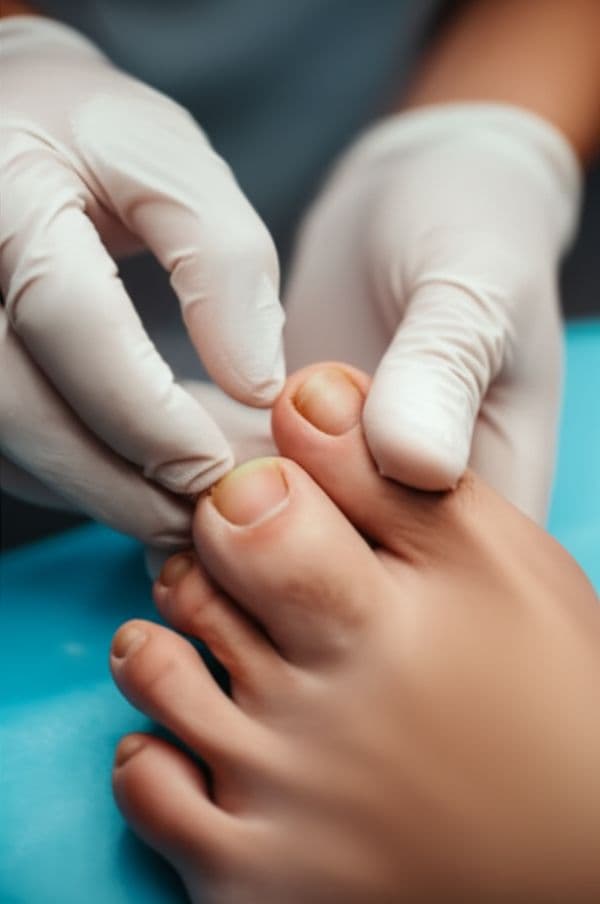
Close-up showing symptoms of an ingrown toenail
Contributing Factors

What Causes Ingrown Toenails?

Ingrown toenails occur in both men and women across all ages, and are especially common in adolescent males. People with sweaty feet and older adults whose toenails thicken with age are at higher risk.

01
Cutting toenails incorrectly - angling sides encourages inward growth
02
Trimming toenails too short
03
Tight or narrow shoes that press on the big toes
04
Toenail injury from stubbing, dropping objects or kicking
05
Irregular or naturally curved toenails
06
Genetic predisposition to ingrown nails
Assessment & Diagnosis

At your appointment, we assess the severity of your ingrown toenail and determine whether non-surgical treatment will be sufficient or if a minor procedure is needed. We consider your symptoms, how long the problem has been present and any previous treatments you have tried.

  • Visual and physical examination of the affected toe
  • Assessment of infection severity
  • Review of previous treatments attempted
  • Discussion of treatment options and expected outcomes
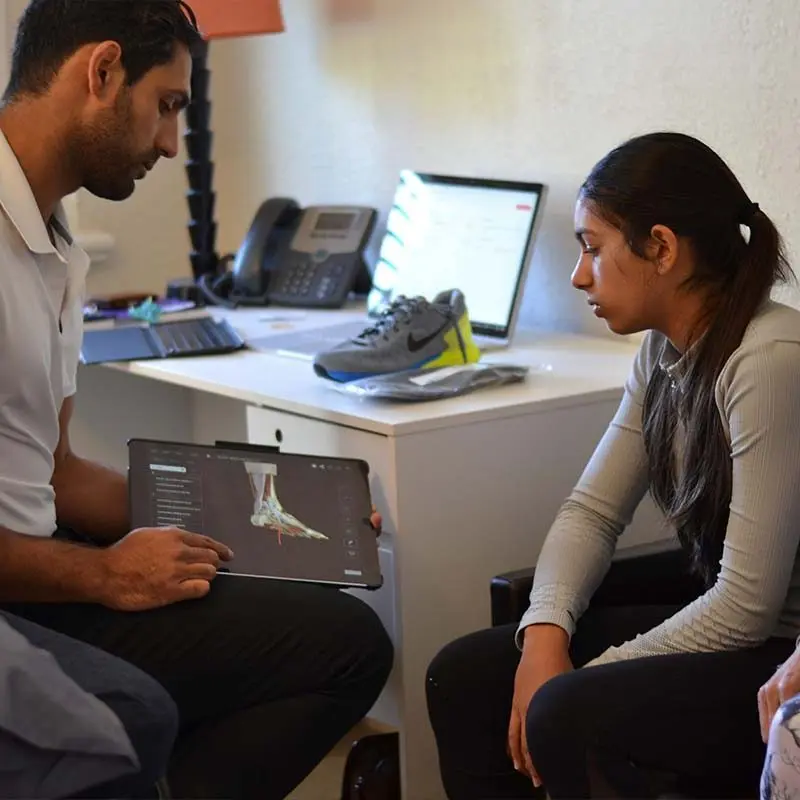
Steve Singh consulting with a patient

Why Choose MSP?

We combine clinical expertise with a patient-centered approach to get you back on your feet.

Book Your Appointment

Sports-Focused

Decades of combined experience treating foot, ankle, and movement concerns.

Evidence-Based Plan

Every plan is guided by proven research and tailored to your lifestyle.

Preventive Approach

We focus on identifying risks early to keep you moving comfortably.

Convenient Clinic Locations

Easily accessible clinics in Brighton, Richmond, and South Melbourne.

Collaborative Care

We work with your GP, physio, or coach for consistent recovery support.

Easy HICAPS Claims

Simple, instant health-fund claiming at every appointment.

Treatment Options

Treatment depends on severity. For mild cases, conservative care may be enough. For infected or recurring ingrown toenails, a minor surgical procedure performed in our rooms at Brighton or Richmond provides a permanent solution.

Conservative care: soaking, betadine, footwear adjustment
Professional nail trimming and management
Minor nail surgery under local anaesthetic
Partial or full nail removal for severe or recurring cases
Self-Care Guide

Prevention Tips

Preventing ingrown toenails is easier than you might think. A few small lifestyle adjustments can make a significant difference in avoiding this painful condition.

1

Trim toenails straight across - do not curve the edges

2

Avoid cutting toenails too short

3

Wear properly fitted shoes with adequate toe room

4

Keep feet clean and dry

5

Wear steel-toe boots in hazardous work environments

6

Seek professional care early if you notice symptoms

Consultation Fees & Rebates

Your first ingrown toenail appointment includes a thorough assessment and treatment plan. If surgery is required, costs and what to expect will be clearly explained beforehand. Our clinics accept most private health rebates, Medicare (with eligible referrals), TAC and WorkCover.

Frequently Asked Questions

Signs of infection include red, swollen skin around the nail, pain, bleeding, oozing pus and overgrowth of skin around the toe. If you notice any of these symptoms, you should see a podiatrist promptly rather than attempting home treatment.
The procedure is performed under local anaesthetic, so you should not feel pain during the surgery itself. Some mild discomfort is normal during recovery, but most patients find it far less painful than the ingrown toenail itself.
When performed correctly, nail surgery has a very high success rate. If a portion of the nail bed or growth centre is removed, the problematic section of nail should not regrow. We will discuss the specific procedure and expected outcomes during your consultation.
Mild cases may respond to home care: soak the foot in warm salt water, keep it dry during the day, apply betadine and wear comfortable shoes. However, if there is no improvement within 2-3 days or the condition worsens, professional treatment is recommended.
Most patients can return to normal activities within a few days. Full healing typically takes 2-4 weeks. We provide detailed aftercare instructions and follow-up appointments to ensure proper healing.

Our Clinics

Three convenient locations across Melbourne. Choose the clinic closest to you.

Call: 1300 332 201
Brighton clinic

Brighton

110 Bay Street

Richmond clinic

Richmond

329 Lennox Street

South Melbourne clinic

South Melbourne

3/186 York St