
Runner resting with pain in the foot after training
Open Mon–Sat

Foot Stress Fracture Assessment in Melbourne

Early assessment, appropriate referral and a staged plan to help your bone recover before you return to impact activity.

Open Mon–SatHICAPS AvailableAHPRA-Registered Clinicians3 Melbourne LocationsSports-Focused ExpertiseEvidence-Based CareNo Referral Required15+ Years ExperienceOpen Mon–SatHICAPS AvailableAHPRA-Registered Clinicians3 Melbourne LocationsSports-Focused ExpertiseEvidence-Based CareNo Referral Required15+ Years Experience
Foot Stress Fractures

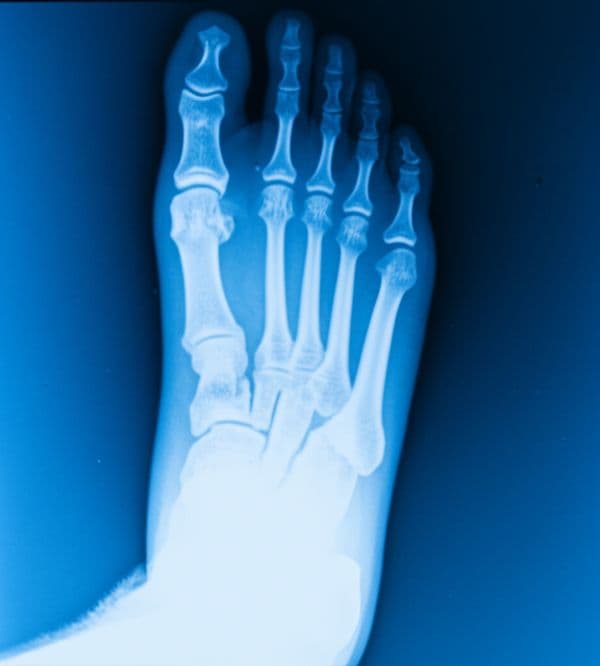
A stress fracture is a small break caused when repeated load exceeds a bone's capacity to recover. In the foot, the metatarsals are commonly affected, although stress injuries can occur in other bones of the foot and lower leg.

Pain can begin gradually and may initially settle with rest, making a stress fracture easy to dismiss as a soft-tissue problem. A podiatry assessment can help identify whether bone stress is likely, reduce aggravating load and arrange imaging or medical referral when required.

Podiatrist examining a patient's foot
Save with your health fund

Claim your rebate on the spot. Walk out paying less.

HICAPS terminals at every clinic mean your private health rebate is processed instantly — you only pay the gap. No referral required, Medicare EPC and DVA accepted.

  • HICAPS at all clinics
  • Medicare EPC accepted
  • DVA accepted
  • No referral needed

Health funds we accept

AAMI
Medibank
Suncorp
Health Insurance
Frank
Bupa
HCF
Allianz

Plus all major HICAPS-affiliated funds. Bring your card, claim on the day.

Signs of a Possible Stress Fracture

Stress-fracture symptoms vary with the bone involved and the stage of the injury. Localised pain that increases with impact or weight-bearing deserves assessment, particularly after a recent change in training.

A dull or focused ache that builds during walking, running or jumping
Tenderness when pressing directly over one area of bone
Swelling around the painful area
Pain that improves when the aggravating activity stops
Symptoms following a rapid increase in distance, intensity or frequency

Why Bone Stress Injuries Develop

There is rarely one cause. We look at how training load, recovery, footwear and bone-health factors may have combined, then address the factors that can be changed safely.

01
A sudden increase in running, jumping or time on your feet
02
Returning quickly after a period of reduced activity
03
A change in footwear, surface or training technique
04
Low energy intake or difficulty absorbing key nutrients
05
Low bone density or another health condition affecting bone strength
Assessment, Imaging & Referral

Your podiatrist will review how the pain started, locate the tender area and assess walking, footwear and recent activity. Not every stress fracture is visible on an early X-ray, so we may recommend imaging or refer you to a GP, sports physician or fracture service when confirmation or medical management is needed. Podiatry assessment does not replace urgent fracture care after a significant injury or when you cannot safely bear weight.

  • History of symptoms, training changes and relevant health factors
  • Foot, ankle and lower-limb examination
  • Gait and footwear assessment where appropriate
  • Imaging or medical referral based on the suspected site and severity
Podiatrist assessing a patient's gait and lower-limb movement

Why Choose MSP?

We combine clinical expertise with a patient-centered approach to get you back on your feet.

Book Your Appointment

Sports-Focused

Decades of combined experience treating foot, ankle, and movement concerns.

Evidence-Based Plan

Every plan is guided by proven research and tailored to your lifestyle.

Preventive Approach

We focus on identifying risks early to keep you moving comfortably.

Convenient Clinic Locations

Easily accessible clinics in Brighton, Richmond, and South Melbourne.

Collaborative Care

We work with your GP, physio, or coach for consistent recovery support.

Easy HICAPS Claims

Simple, instant health-fund claiming at every appointment.

Protecting the Bone While It Heals

Management depends on the bone involved, your symptoms and your daily demands. The immediate priority is to stop the activity that is overloading the bone. Some people only need activity modification, while others may require a rigid-soled shoe, walking boot, crutches or specialist care. We will not recommend a device unless it is appropriate for your presentation.

Reduce or pause painful impact activity
Use suitable footwear or offloading support when clinically indicated
Maintain pain-free movement and lower-impact activity where appropriate
Address contributing training, recovery and footwear factors

A Graded Return to Sport

Return timeframes vary according to the fracture site and individual healing. Once the bone is comfortable in everyday activity and any treating medical practitioner has cleared progression, impact should be rebuilt gradually. We can help plan increases in duration, speed and sport-specific load while monitoring for a return of symptoms.

01
Restore comfortable walking before impact exercise
02
Reintroduce one training variable at a time
03
Reduce the load if focal bone pain returns
04
Review footwear and future load progression

Book a Stress Fracture Assessment

Your first appointment includes a detailed foot and lower-limb assessment and a clear plan for activity, referral and follow-up. No referral is needed to see our podiatrists. If your presentation needs medical imaging or specialist fracture care, we will explain the next step.

Frequently Asked Questions

Yes. Small or early bone changes do not always appear on an initial X-ray. Whether you need imaging, repeat imaging or a different scan depends on the suspected bone and whether the result would change your care. We can arrange an appropriate referral after assessment.
Do not push through focal bone pain. Continuing the activity that caused the overload can delay healing or allow the injury to progress. We can advise on temporary lower-impact options after assessing the suspected site and severity.
Not everyone does. Some stress fractures can be managed with activity changes and supportive footwear, while others need a rigid-soled shoe, boot, crutches or specialist review. The correct level of protection depends on the bone involved and your symptoms.
There is no single timeframe for every stress fracture. Return depends on the site of injury, symptom resolution, bone-health factors and clinical clearance. Impact activity should be reintroduced gradually rather than resumed at your previous level all at once.
Seek prompt medical care after a significant injury, if you cannot safely put weight through the foot, or if pain and swelling are severe or worsening. A routine podiatry appointment is not a substitute for urgent fracture assessment.

Our Clinics

Three convenient locations across Melbourne. Choose the clinic closest to you.

Call: 1300 332 201
Brighton clinic

Brighton

110 Bay Street

Richmond clinic

Richmond

329 Lennox Street

South Melbourne clinic

South Melbourne

3/186 York St