Runner holding their achilles tendon area during a run
Open Mon–Sat

Achilles Tendon Pain Treatment in Melbourne

Specialist diagnosis and rehabilitation to get your achilles strong, resilient and pain-free.

Open Mon–SatHICAPS AvailableAHPRA-Registered Clinicians3 Melbourne LocationsSports-Focused ExpertiseEvidence-Based CareNo Referral Required15+ Years ExperienceOpen Mon–SatHICAPS AvailableAHPRA-Registered Clinicians3 Melbourne LocationsSports-Focused ExpertiseEvidence-Based CareNo Referral Required15+ Years Experience
Achilles Tendon Pain

The achilles tendon has two primary roles: transferring energy from muscle to bone, and storing and releasing energy like a spring. When injured, it requires a very specific treatment approach - complete rest actually does more harm than good.

Our sports podiatrists have over a decade of experience treating achilles tendon injuries. We keep your tendon active and progressively load it back to full function, so you can return to the activities you love.

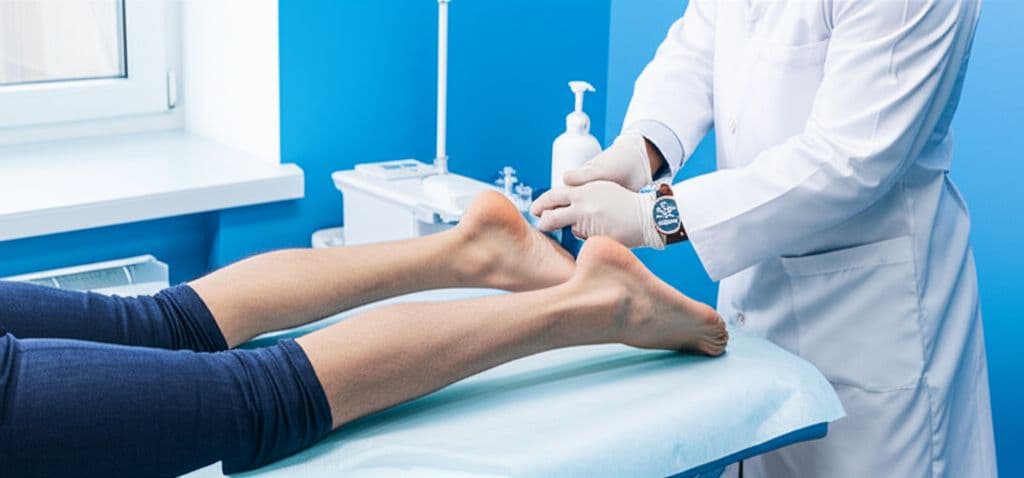
Podiatrist treating a patient's achilles tendon

We Accept All Major Health Funds

HICAPS on-the-spot rebates at all clinics. No referral needed.

Book Appointment
AAMI
Medibank
Suncorp
Health Insurance
Frank
Bupa
HCF
Allianz
Symptoms of Achilles Tendon Injuries

Achilles tendon injuries present differently depending on the stage and severity. Early-stage injuries may warm up and settle with activity, which can mask the damage occurring underneath. Recognising these signs early is critical for a faster recovery.

  • Pain and stiffness in the tendon in the mornings
  • Pain at the beginning of training that warms up initially
  • Pain returning during or after training in later stages
  • Tendon tender to touch, sometimes swollen and red
  • Weakness or unresponsiveness after pushing through pain
  • Hesitancy pointing toes up or placing pressure through feet when walking
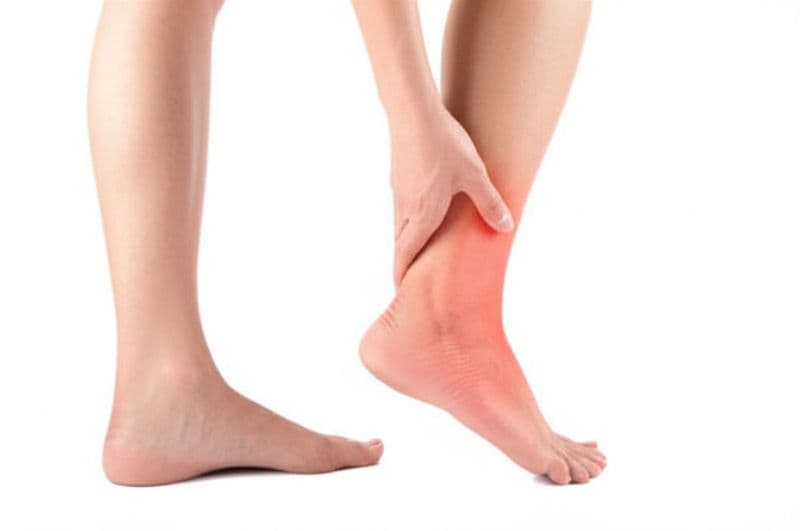
Person holding their achilles tendon area experiencing pain
Contributing Factors

Why Complete Rest is Not the Answer

Completely resting an achilles tendon injury does more harm than good. Because your tendon is responsible for transferring and releasing energy, a window of inactivity causes two major problems that can set your recovery back significantly.

01
Compensatory injuries develop in your back, hips and knees
02
Underactive tendon cannot transfer forces when you return to training
03
Re-injury becomes more likely after a period of rest
04
Chronic problems develop that come and go as activities start and stop
05
Tendon cells lose their ability to adapt without progressive loading
06
Recovery takes significantly longer without guided rehabilitation
Assessment & Diagnosis

The achilles tendon can fail at the mid-portion or at the base near the heel, which is why an accurate assessment is vital from the start. We need to confirm it is the achilles tendon and not the neighbouring muscle, bursae or bone contributing to your pain.

  • Location-specific testing of mid-portion vs insertional pain
  • Assessment of tendon thickness and integrity
  • Calf strength and ankle mobility testing
  • Biomechanical and gait analysis
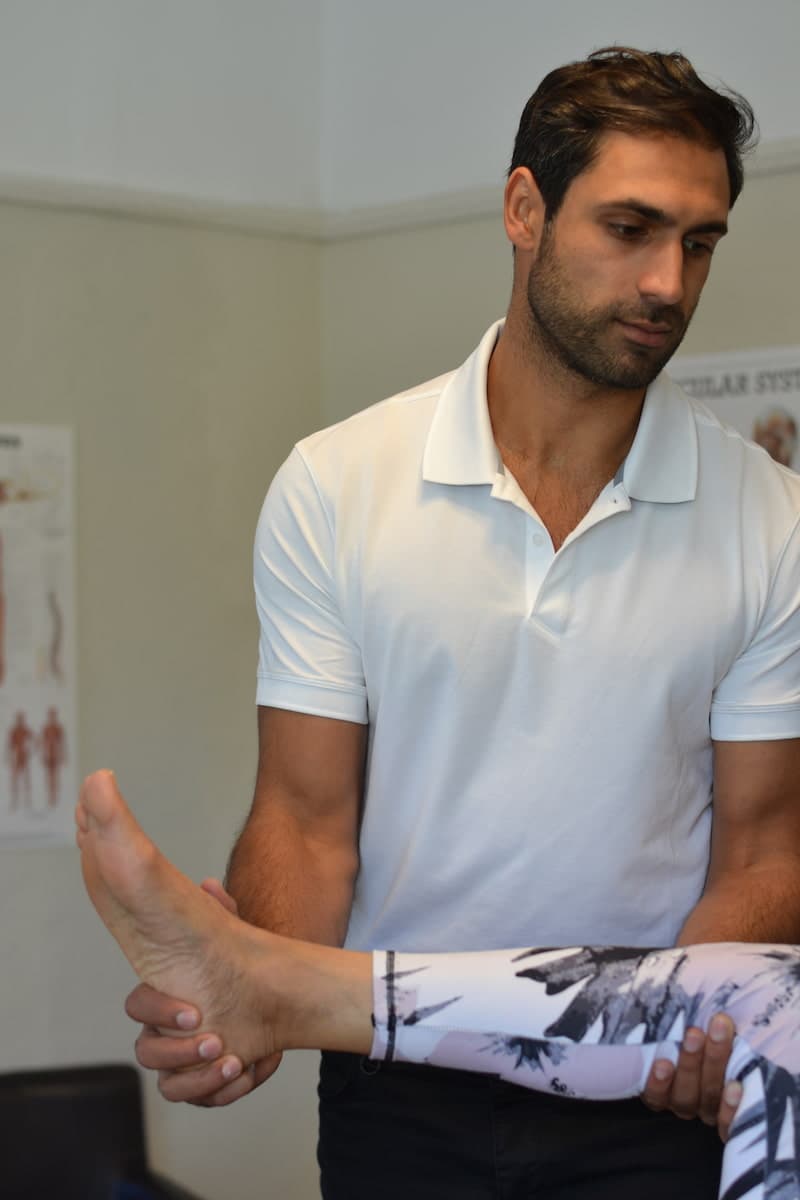
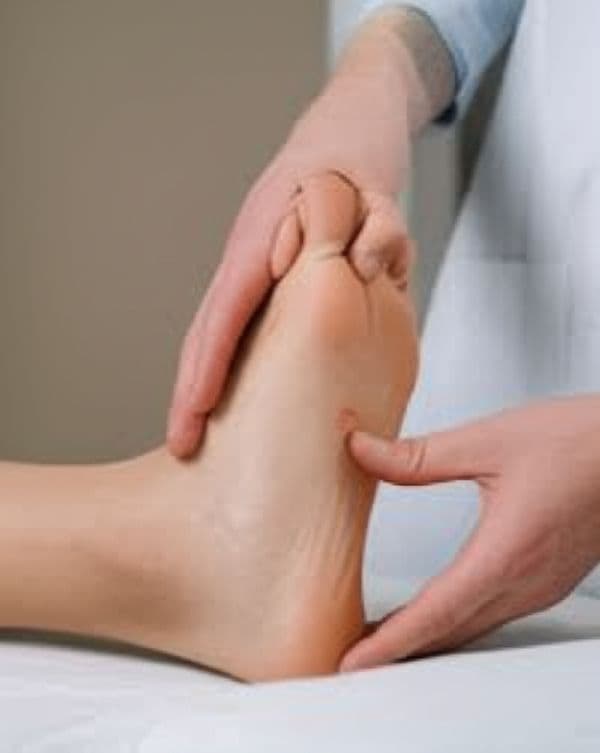
Steve Singh examining a patient's foot and ankle

Why Choose MSP?

We combine clinical expertise with a patient-centered approach to get you back on your feet.

Book Your Appointment

Sports-Focused

Decades of combined experience treating foot, ankle, and movement concerns.

Evidence-Based Plan

Every plan is guided by proven research and tailored to your lifestyle.

Preventive Approach

We focus on identifying risks early to keep you moving comfortably.

Convenient Clinic Locations

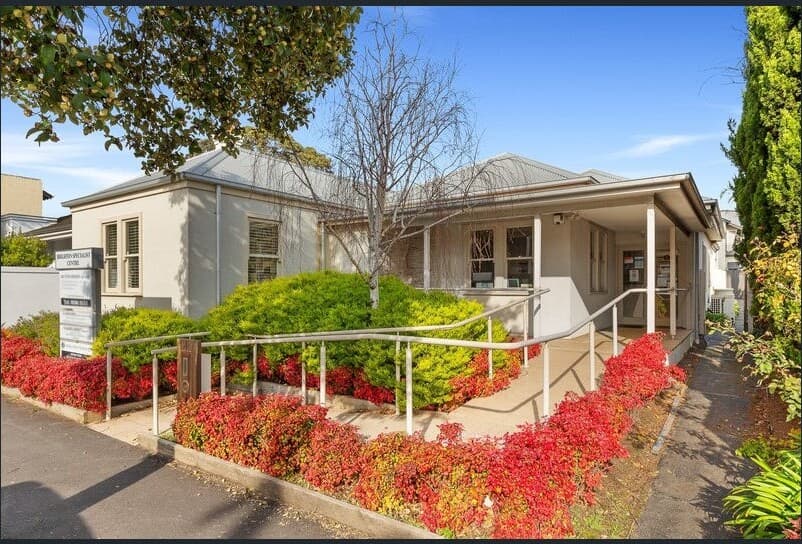
Easily accessible clinics in Brighton, Richmond, and South Melbourne.

Collaborative Care

We work with your GP, physio, or coach for consistent recovery support.

Easy HICAPS Claims

Simple, instant health-fund claiming at every appointment.

Treatment & Recovery Process

Our treatment approach keeps your tendon active from day one. We begin with an isolated strength program and calf muscle release treatment immediately, then progressively challenge the tendon with modified exercises that resemble energy transfer and release.

Isolated calf strengthening program started immediately
Manual therapy and calf muscle release
Progressive loading exercises to build tendon resilience
Footwear, orthotics or heel lifts when needed for pain management
Self-Care Guide

Prevention & Long-Term Management

Tendons are notoriously difficult to treat without a very specific plan and strategy. The achilles tendon is one of the most poorly rehabilitated structures because injured tendon cells do not recover like muscle or bone cells. Understanding the clear dos and don'ts in recovery is essential for building long-term resilience.

1

Maintain a regular calf strengthening routine

2

Warm up properly before all training sessions

3

Progress training loads gradually - avoid sudden spikes

4

Wear supportive footwear appropriate for your activity

5

Do not ignore morning stiffness or early-stage pain

6

Seek professional help early rather than pushing through pain

Consultation Fees & Rebates

Your first achilles tendon appointment includes a full assessment, diagnosis and personalised treatment plan. Fees are discussed upfront, and our clinics accept most private health rebates, Medicare (with eligible referrals), TAC and WorkCover.

Frequently Asked Questions

Yes, you can still continue training - but your program needs to be modified by a sports podiatrist. Pushing through tendon pain unguided risks rapid cell swelling, which changes how the cells transfer energy and increases the risk of tearing or rupture.
Recovery can happen in a matter of days, weeks or months depending on how quickly your body adapts to the rehabilitation program and how early you start treatment. The key is beginning a structured loading program as soon as possible.
Tendons when injured do not recover like muscle or bone cells. The most common reason for recurring pain is receiving good exercises but without understanding the clear dos and don'ts during recovery. Building long-term tendon resilience requires a very specific plan.
Not always, but orthotics or heel lifts can be helpful for patients in severe pain or those unable to slow down training. They place the tendon into a shortened, optimised position to release force efficiently. We assess each patient individually.
Tendonitis implies inflammation, while tendonopathy refers to a broader range of tendon problems including degeneration. Most achilles tendon issues are actually tendonopathies, which is why anti-inflammatory treatments alone are often insufficient. A targeted loading program is essential.

Our Clinics

Three convenient locations across Melbourne. Choose the clinic closest to you.

Call: 1300 332 201
Brighton clinic

Brighton

110 Bay Street

Richmond clinic

Richmond

329 Lennox Street

South Melbourne clinic

South Melbourne

3/186 York St