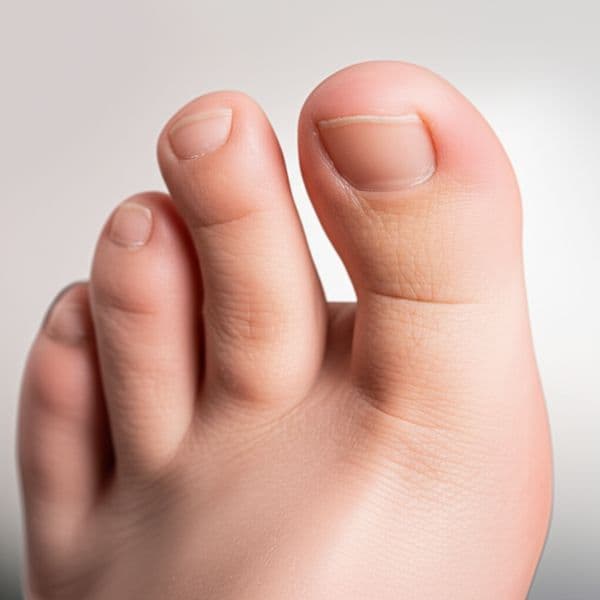
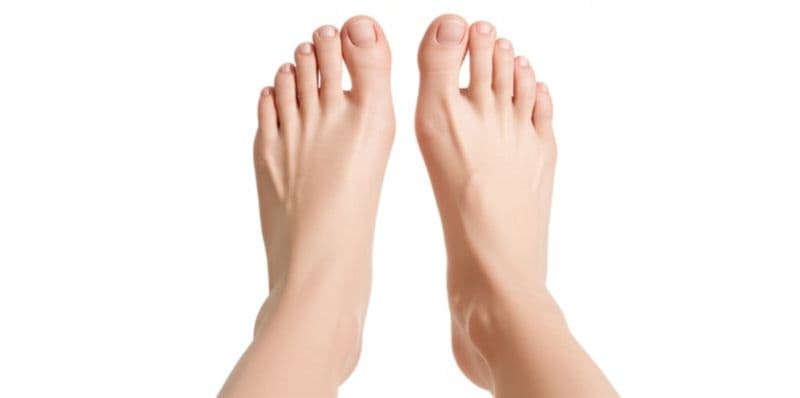
Close-up of feet showing bunion condition on big toe
Open Mon–Sat

Bunions Treatment in Melbourne

Expert assessment and treatment to relieve bunion pain and prevent further progression.

Open Mon–SatHICAPS AvailableAHPRA-Registered Clinicians3 Melbourne LocationsSports-Focused ExpertiseEvidence-Based CareNo Referral Required15+ Years ExperienceOpen Mon–SatHICAPS AvailableAHPRA-Registered Clinicians3 Melbourne LocationsSports-Focused ExpertiseEvidence-Based CareNo Referral Required15+ Years Experience
Bunions Treatment

Bunions (also known as hallux valgus) are bony bumps that appear on the big toe joint. They can be swollen, red and make it difficult to move the big toe. While they are easy to recognise, patients often only notice them once they start hurting.

The good news is that treatment may be simpler and more affordable than you think. We prioritise non-invasive solutions and only consider surgery as a last resort when all other alternatives have been exhausted.

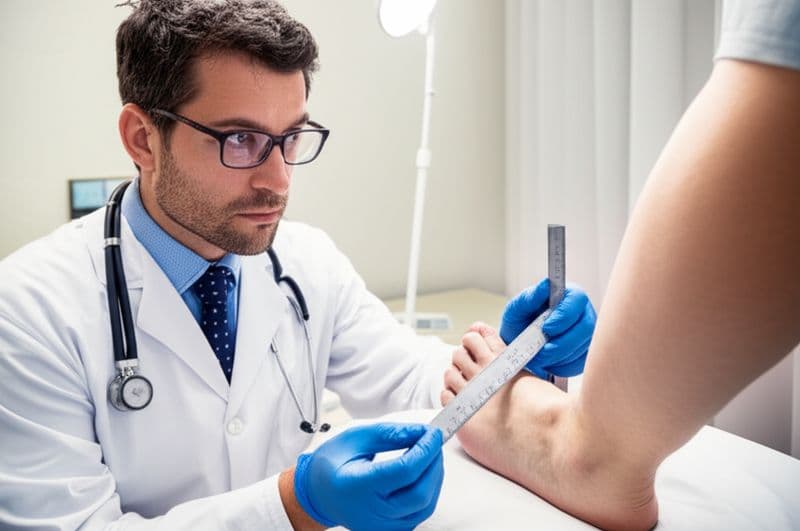
Podiatrist assessing a patient's bunion

We Accept All Major Health Funds

HICAPS on-the-spot rebates at all clinics. No referral needed.

Book Appointment
AAMI
Medibank
Suncorp
Health Insurance
Frank
Bupa
HCF
Allianz
Bunion Symptoms & When to Seek Help

Bunions develop gradually over time and can range from a mild bump to a significant deformity. The sooner you consult a specialist, the more treatment options are available to you. Do not wait until the pain becomes unbearable.

  • Visible bony bump at the base of the big toe
  • Redness, swelling or tenderness around the joint
  • Difficulty moving the big toe or stiffness
  • Pain when wearing shoes, especially narrow footwear
  • Corns or calluses developing where toes overlap
  • Gradual shift of the big toe towards the smaller toes
Feet showing bunion formation on the big toe
Contributing Factors

What Causes Bunions?

Not all bunions are caused by footwear. There are many contributing factors, and different causes call for different treatment approaches - which is why a professional assessment is essential.

01
Inherited foot shape and structure
02
Tight, narrow or pointed shoes over time
03
Underlying conditions such as rheumatoid arthritis
04
Flat feet or low arches altering weight distribution
05
Biomechanical imbalances in gait
06
Occupations requiring prolonged standing in restrictive footwear
Bunion Assessment

Before we can decide how to treat your bunion, we need to assess the condition and make the right diagnosis. This is usually possible during your consultation, though an X-ray may be required to assess whether the joints are affected.

  • Physical examination of the bunion and foot structure
  • Assessment of joint mobility and alignment
  • X-ray referral if joint involvement is suspected
  • Discussion of treatment options based on your lifestyle
Podiatrist assessing a hallux valgus bunion

Why Choose MSP?

We combine clinical expertise with a patient-centered approach to get you back on your feet.

Book Your Appointment

Sports-Focused

Decades of combined experience treating foot, ankle, and movement concerns.

Evidence-Based Plan

Every plan is guided by proven research and tailored to your lifestyle.

Preventive Approach

We focus on identifying risks early to keep you moving comfortably.

Convenient Clinic Locations

Easily accessible clinics in Brighton, Richmond, and South Melbourne.

Collaborative Care

We work with your GP, physio, or coach for consistent recovery support.

Easy HICAPS Claims

Simple, instant health-fund claiming at every appointment.

Treatment Options

Whenever it is a viable option, we choose non-invasive solutions. Surgery is the last resort, only chosen when all other alternatives have failed or the condition is very serious and prevents comfortable walking.

Footwear changes and fitting advice
Padding and protective devices
Custom orthotics for biomechanical correction
Exercises to maintain joint mobility
Self-Care Guide

Prevention & Management

Once bunions form, they are unlikely to disappear on their own. However, you can slow progression and manage discomfort with the right approach. Ignoring the problem is only a short-term solution.

1

Wear shoes with a wide toe box

2

Avoid high heels and pointed shoes

3

Use padding to reduce pressure on the bunion

4

Maintain foot strength with regular exercises

5

Monitor any changes in size or alignment

6

Seek professional help early rather than waiting for pain

Consultation Fees & Rebates

Your first bunion appointment includes a thorough assessment and personalised treatment plan. No referral is needed. Our clinics accept most private health rebates, Medicare (with eligible referrals), TAC and WorkCover.

Frequently Asked Questions

In many cases, yes. Non-surgical treatments including footwear changes, orthotics, padding and exercises can effectively manage bunion pain and slow progression. Surgery is only considered when these options have been exhausted or the condition is severe.
Your foot shape and structure can be inherited, which may make you more prone to developing bunions. However, other factors like footwear choices, biomechanics and underlying conditions also play a role.
Without treatment, bunions typically progress gradually. The big toe continues to shift towards the smaller toes, and pain may increase. Early intervention gives you the best chance of slowing progression and avoiding surgery.
Choose shoes with a wide toe box that do not press on the bunion. Avoid high heels and pointed shoes. We can provide specific footwear recommendations based on your feet and activities during your consultation.
No referral is needed. You can book directly with Melbourne Sports Podiatry at our Brighton, Richmond or South Melbourne clinics. We are conveniently located across Melbourne for easy access.

Our Clinics

Three convenient locations across Melbourne. Choose the clinic closest to you.

Call: 1300 332 201
Brighton clinic

Brighton

110 Bay Street

Richmond clinic

Richmond

329 Lennox Street

South Melbourne clinic

South Melbourne

3/186 York St