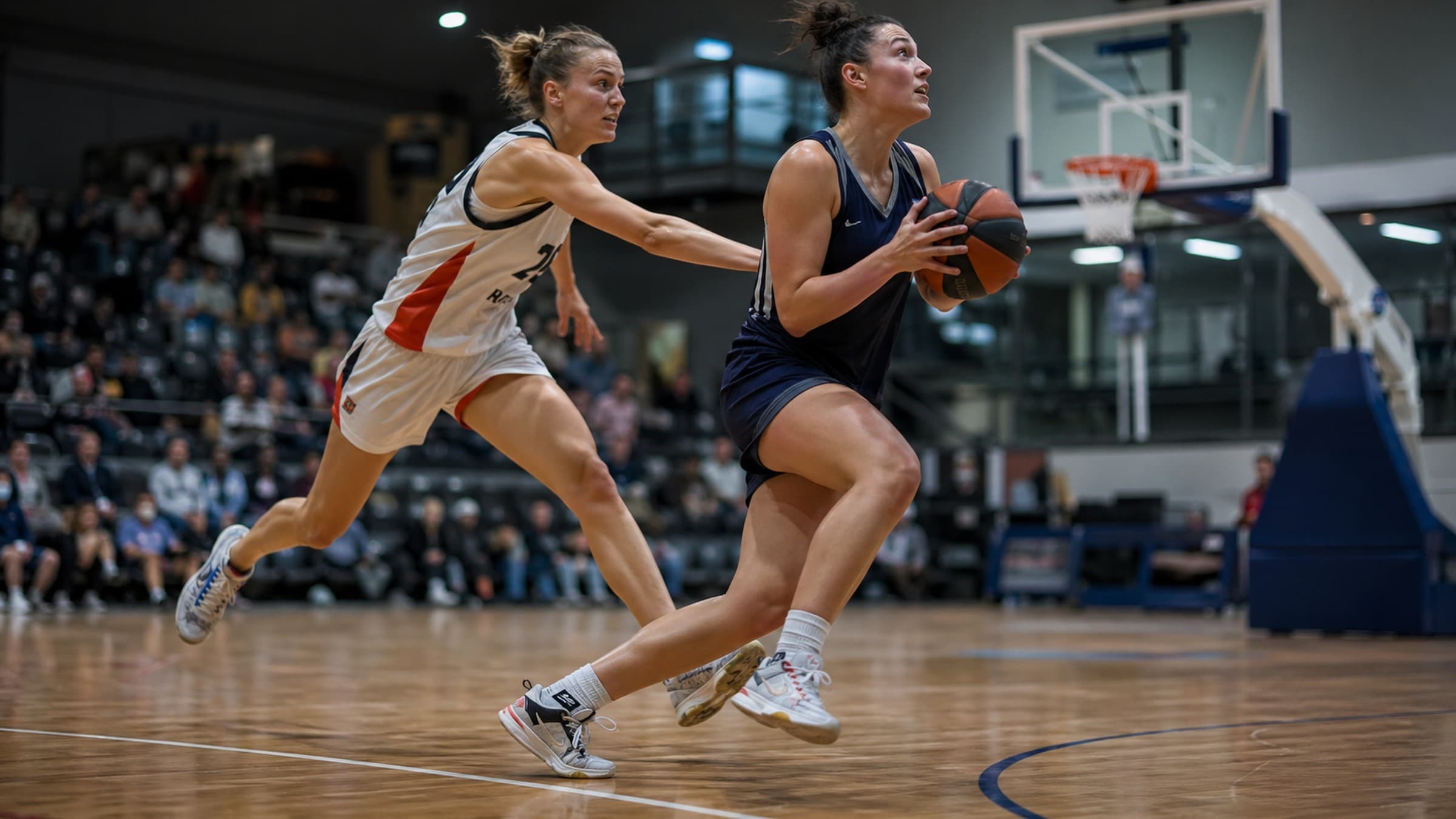
Basketball & Netball Podiatry
Specialised podiatry care for basketball and netball players at all levels. Our sports podiatrists understand the high-impact demands of court sports and provide targeted treatment to keep you performing at your best.
Basketball and netball involve repeated jumping, landing, and rapid lateral movements that place significant stress on the feet, ankles, and knees. These demands make court sport athletes particularly prone to lower limb injuries, especially when training loads increase or surfaces change.
We treat basketball and netball players from junior competition through to elite level, with a focus on accurate diagnosis, evidence-based treatment, and practical return-to-play plans that fit around your training schedule.
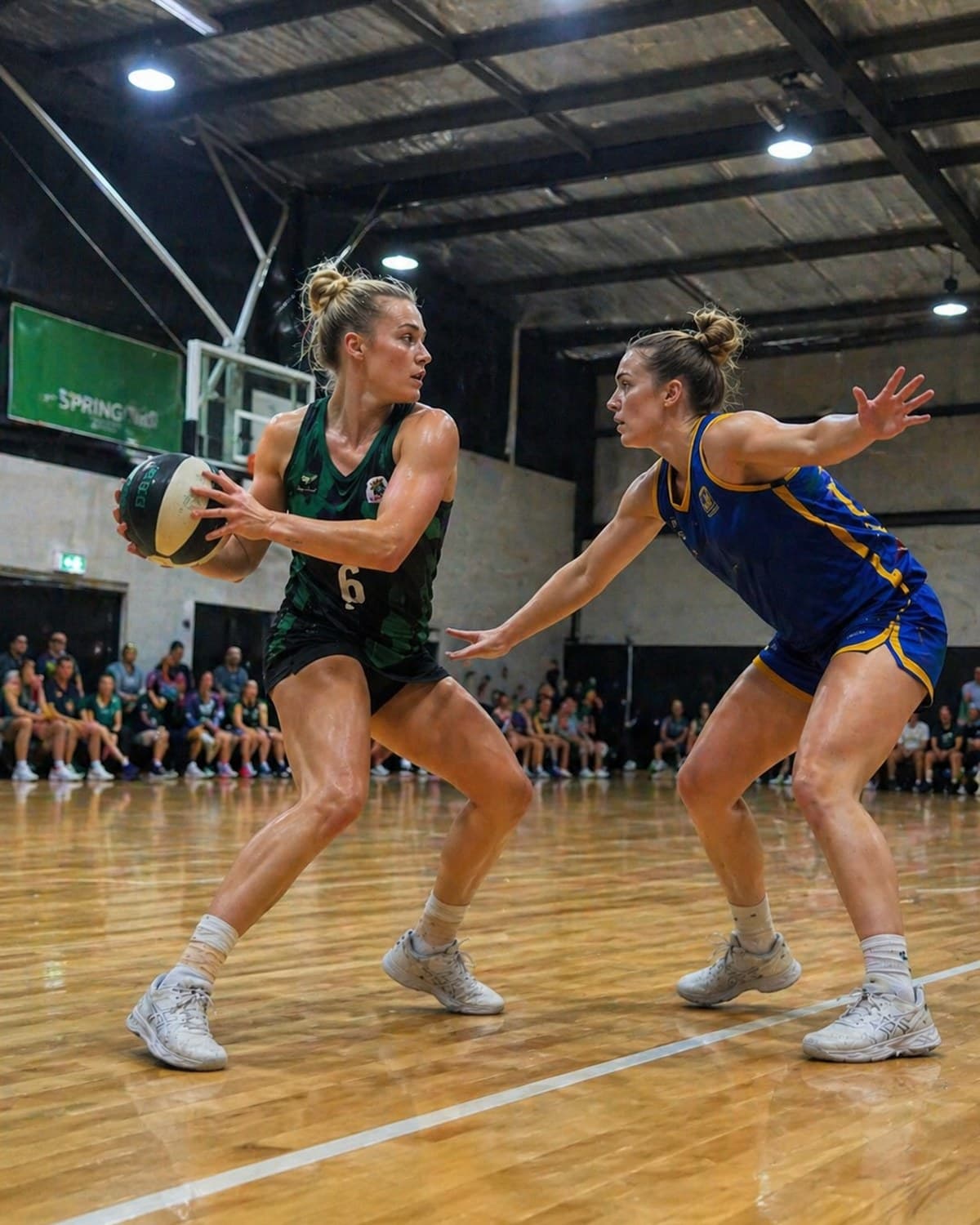
Common Basketball & Netball Foot Injuries
Court sports place unique demands on the lower limb. The combination of jumping, pivoting, and sudden stops means basketball and netball players frequently present with the following conditions.
Ankle Sprains (Lateral)
Lateral ankle sprains are the most common injury in both basketball and netball. Landing on another player's foot or rolling the ankle during a change of direction can damage the lateral ligaments. We provide structured rehabilitation, proprioceptive training, and bracing or taping advice to reduce the risk of recurrence.
Knee Pain (Patellar Tendinopathy)
Often called "jumper's knee", patellar tendinopathy is driven by the repetitive loading of jumping and landing. We assess biomechanical factors that may contribute to excessive tendon load, including foot posture, landing mechanics, and training volume, then prescribe a graded loading program to restore tendon capacity.
Stress Fractures (Metatarsals)
Metatarsal stress fractures can develop when training loads increase too quickly or when footwear lacks adequate cushioning. We identify contributing factors such as foot type and bone loading patterns, and guide you through a safe return to sport with appropriate load management.
Plantar Fasciitis
The repetitive impact of running and jumping on hard court surfaces can overload the plantar fascia, causing heel and arch pain. We use a combination of manual therapy, custom orthotics, and targeted strengthening exercises to resolve symptoms and address underlying causes.
Our Treatment Approach
We combine thorough clinical assessment with evidence-based treatments tailored to the specific needs of court sport athletes. Our goal is to get you back on court safely, with a clear plan to reduce re-injury risk.
Biomechanical Assessment
We assess lower limb alignment, foot posture, and movement patterns to identify factors that may be contributing to your injury. This includes analysis of landing technique, which is particularly relevant for basketball and netball athletes.
Custom Orthotics for Court Shoes
When needed, we design custom orthotics to fit your basketball or netball shoes. Court shoes have specific design features, so we ensure your orthotics work with your footwear rather than against it.
Return-to-Play Programs
We develop structured return-to-play programs with clear benchmarks at each stage. This includes progressive loading, sport-specific drills, and objective testing to confirm you're ready for full training and match play.
Performance Optimisation
Beyond treating injuries, we help basketball and netball players improve their lower limb function for better on-court performance. This includes footwear recommendations for your playing surface, movement efficiency analysis, and preventive strengthening programs to build resilience against the demands of your sport.
Why Choose MSP?
We combine clinical expertise with a patient-centered approach to get you back on your feet.
Book Your AppointmentSports-Focused
Decades of combined experience treating foot, ankle, and movement concerns.
Evidence-Based Plan
Every plan is guided by proven research and tailored to your lifestyle.
Preventive Approach
We focus on identifying risks early to keep you moving comfortably.
Convenient Clinic Locations
Easily accessible clinics in Brighton, Richmond, and South Melbourne.
Collaborative Care
We work with your GP, physio, or coach for consistent recovery support.
Easy HICAPS Claims
Simple, instant health-fund claiming at every appointment.
Frequently Asked Questions
Our Clinics
Three convenient locations across Melbourne. Choose the clinic closest to you.
Call: 1300 332 201