Dance & Gymnastics Podiatry
Specialised podiatry care for dancers and gymnasts at all levels. Our sports podiatrists understand the extreme demands these disciplines place on the feet and lower limbs, and provide treatment that respects the unique requirements of your art and sport.
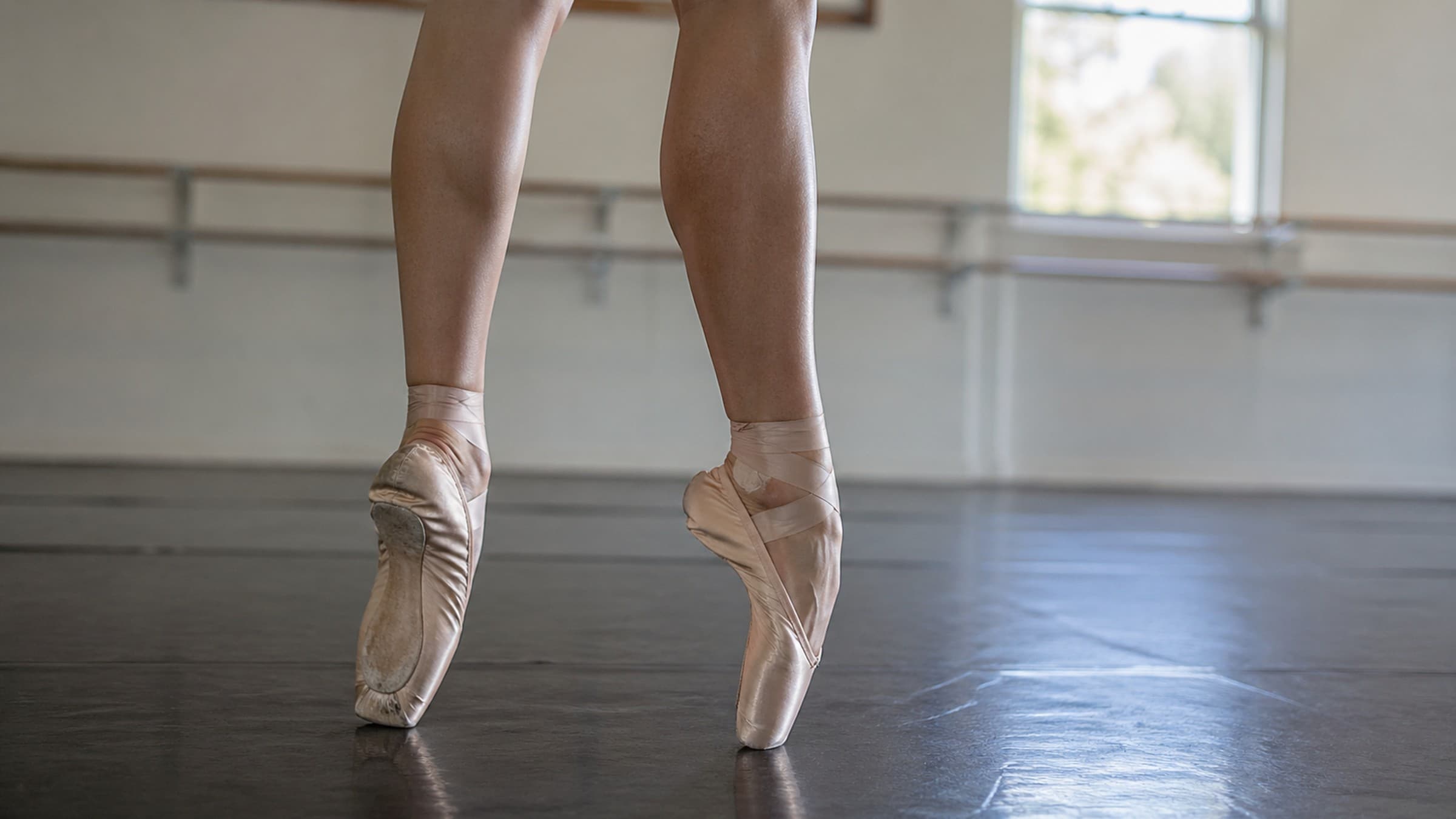
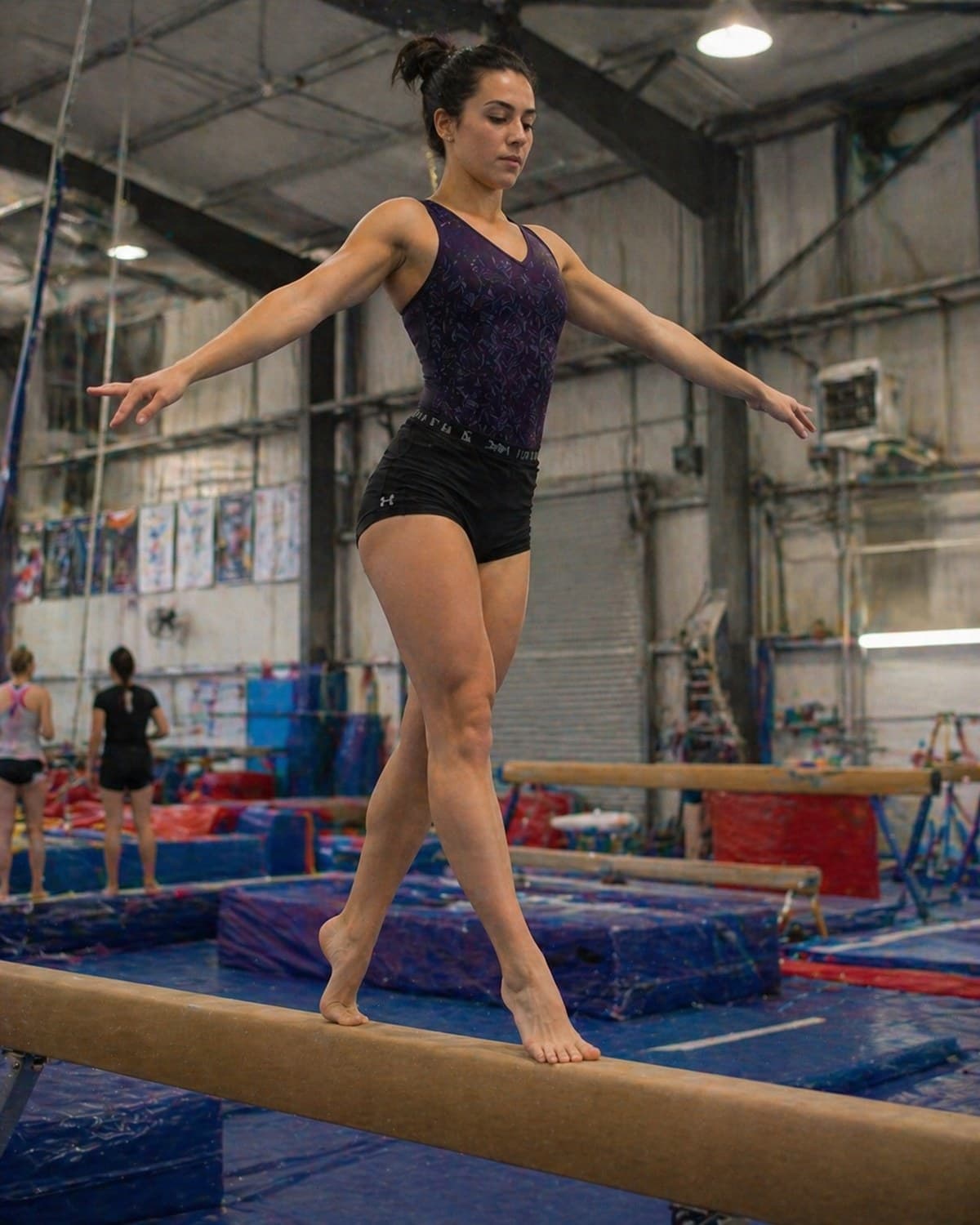
Dance and gymnastics demand exceptional foot and ankle strength, flexibility, and control. From ballet dancers working en pointe to gymnasts landing high-impact tumbles, the feet are under constant and intense loading. These demands make dancers and gymnasts susceptible to a specific set of lower limb injuries.
Our team has experience treating dancers and gymnasts across recreational, pre-professional, and professional levels. We understand the importance of maintaining training where possible and provide treatment plans that account for the specific movement requirements of your discipline.
Common Dance & Gymnastics Foot Injuries
The repetitive loading, extreme ranges of motion, and high-impact landings in dance and gymnastics lead to a distinct injury profile. Our podiatrists are experienced in diagnosing and treating the following conditions.
Stress Fractures (Metatarsals)
Metatarsal stress fractures are common in dancers and gymnasts due to the repetitive loading of the forefoot during jumps, relevés, and landings. The second and third metatarsals are most frequently affected. We identify contributing factors such as training load, bone density, foot mechanics, and footwear (or lack of it), then guide recovery with appropriate load management.
Ankle Sprains
Ankle sprains can occur during landings, turns, or when working en pointe or demi-pointe. We provide targeted rehabilitation that addresses the strength and proprioceptive demands specific to dance and gymnastics, ensuring you can return to full range of movement safely.
Tendinopathy (Flexor Hallucis Longus)
FHL tendinopathy is particularly common in dancers who work en pointe or demi-pointe. The tendon runs behind the ankle and under the big toe, and is heavily loaded during relevé and pointe work. We use progressive loading programs, manual therapy, and technique modification to manage this condition effectively.
Bunions & Hallux Rigidus
Forefoot conditions including bunions (hallux valgus) and hallux rigidus (stiffness of the big toe joint) are frequently seen in dancers and gymnasts. These can develop over time due to the repetitive forces through the big toe joint. We provide conservative management strategies including joint mobilisation, strengthening, and footwear or padding modifications.
Our Treatment Approach
We understand that dancers and gymnasts have specific needs that differ from other athletes. Treatment must respect the range of motion, aesthetic, and performance requirements of your discipline while effectively addressing injury.
Dance and Gymnastics-Specific Assessment
We assess foot and ankle function in the context of your discipline. For dancers, this includes evaluation of relevé height, pointe readiness, and turnout mechanics. For gymnasts, we assess landing biomechanics and ankle stability under load.
Pointe Readiness Assessments
For young dancers transitioning to pointe work, we provide objective assessments of foot and ankle strength, range of motion, and skeletal maturity. Starting pointe work before the body is ready is a significant risk factor for injury.
Rehabilitation and Strengthening
Our rehabilitation programs are designed for the specific demands of dance and gymnastics. We prescribe exercises that build strength through the full range of motion required, with a focus on intrinsic foot strength, ankle stability, and controlled mobility.
Performance Optimisation
We work with dancers and gymnasts to improve foot and ankle function for better performance and injury prevention. This includes intrinsic foot strengthening programs, ankle conditioning for landing and pointe work, and advice on training load progression to build capacity safely over time.
Why Choose MSP?
We combine clinical expertise with a patient-centered approach to get you back on your feet.
Book Your AppointmentSports-Focused
Decades of combined experience treating foot, ankle, and movement concerns.
Evidence-Based Plan
Every plan is guided by proven research and tailored to your lifestyle.
Preventive Approach
We focus on identifying risks early to keep you moving comfortably.
Convenient Clinic Locations
Easily accessible clinics in Brighton, Richmond, and South Melbourne.
Collaborative Care
We work with your GP, physio, or coach for consistent recovery support.
Easy HICAPS Claims
Simple, instant health-fund claiming at every appointment.
Frequently Asked Questions
Our Clinics
Three convenient locations across Melbourne. Choose the clinic closest to you.
Call: 1300 332 201